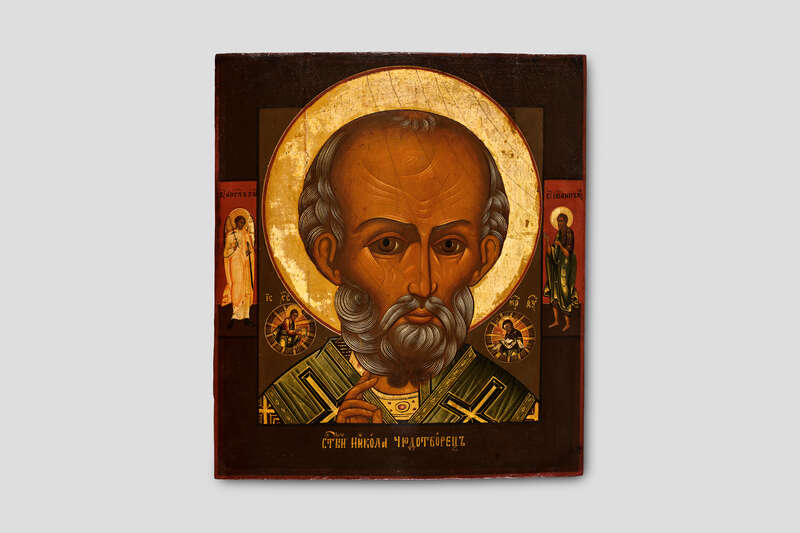
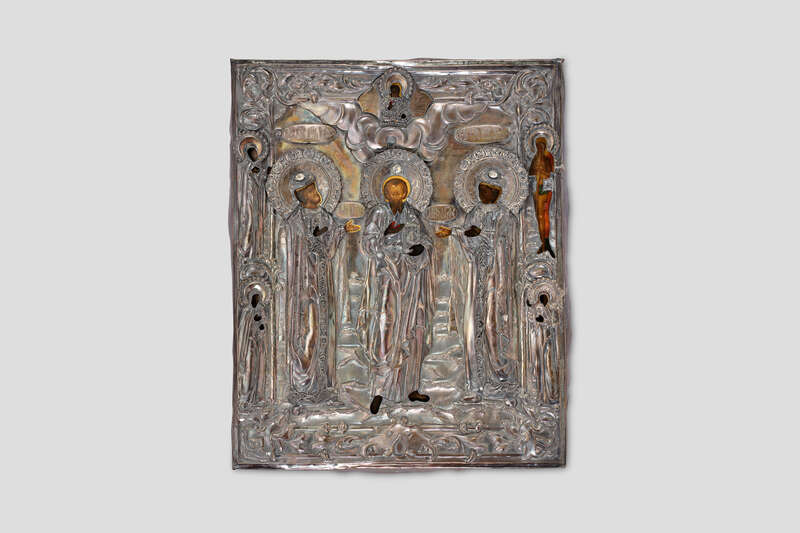
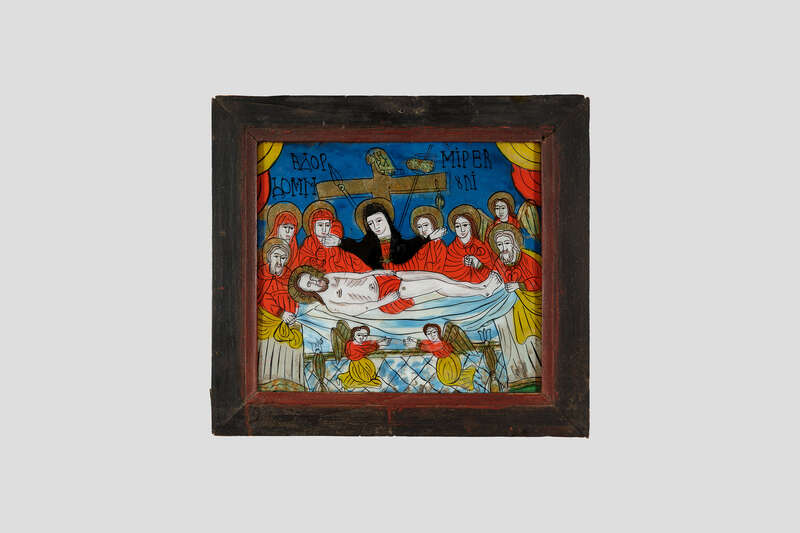
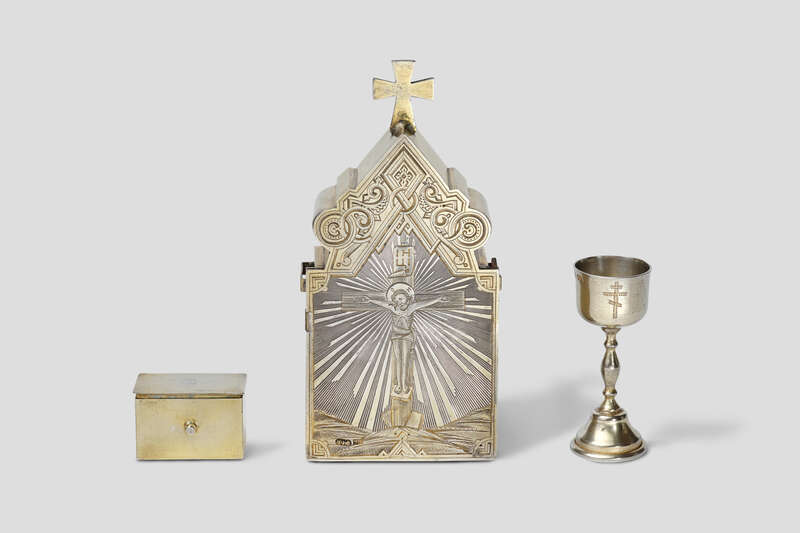
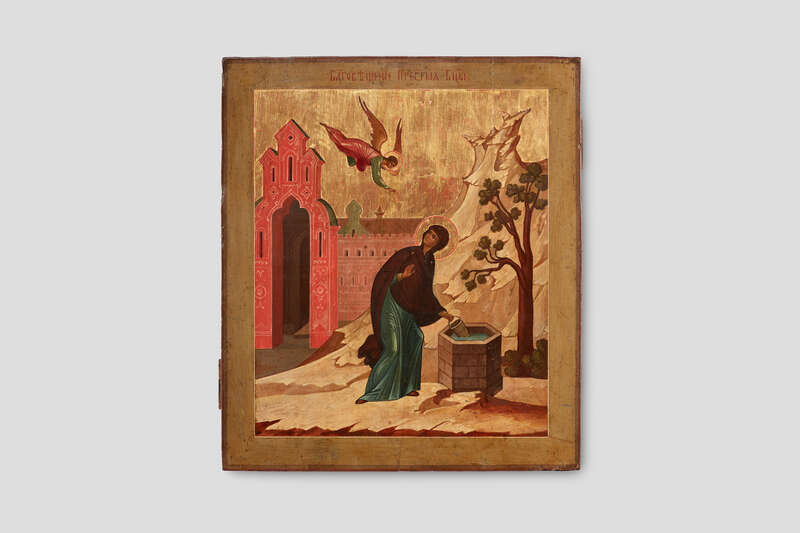
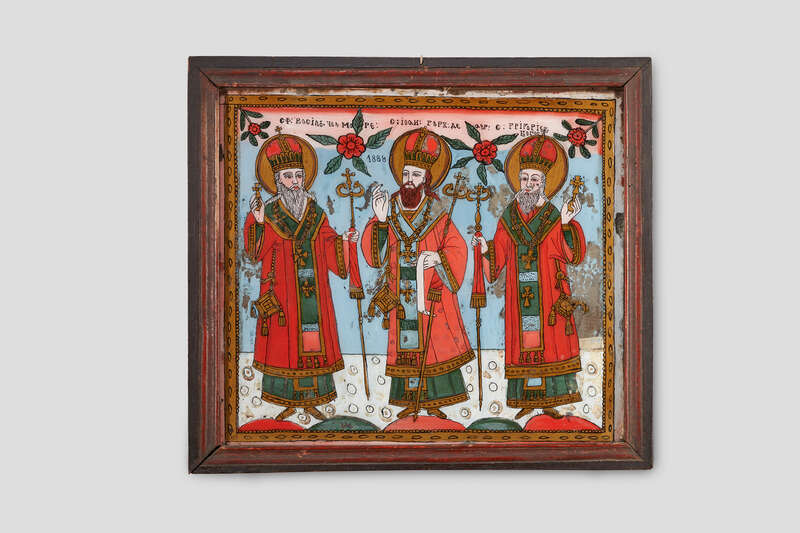
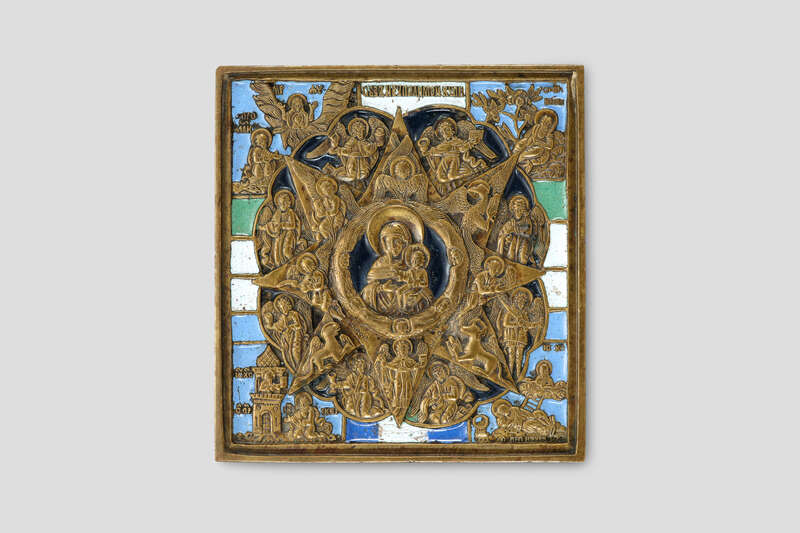
This thematic album presents a selection of icons from the collection of the Icon Museum. It opened in March 1990 as a wing of the Museum für Kunsthandwerk (now the Museum Angewandte Kunst) in the Teutonic Order building in Frankfurt-Sachsenhausen. A place to engage with the art and culture of Orthodox Christianity, the museum, designed by Oskar Maria Ungers, displays icons and liturgical objects from the fifteenth to the twenty-first century.
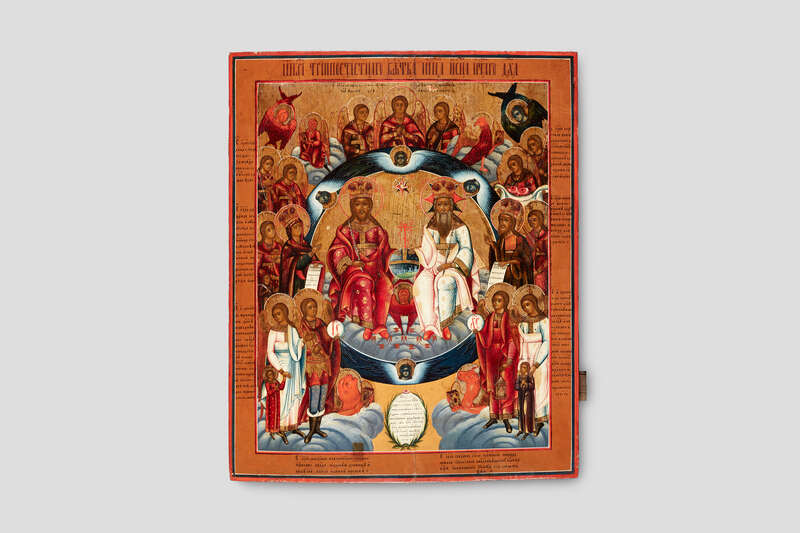
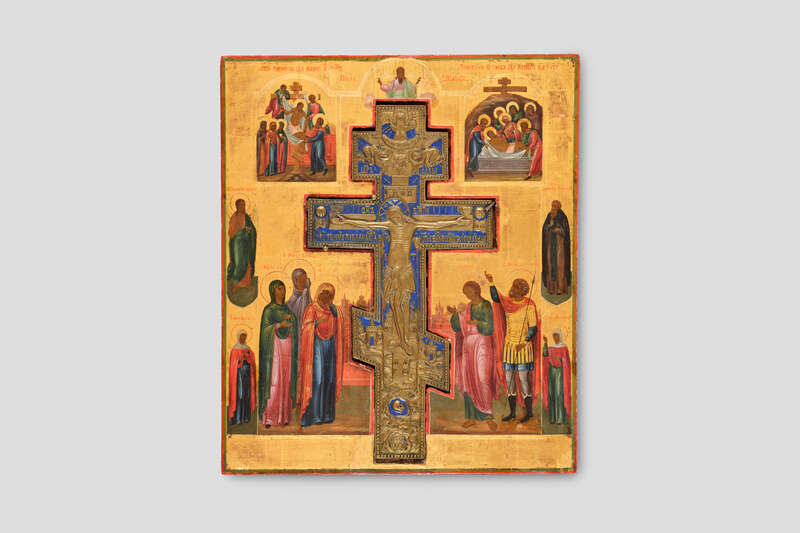
The Icon Museum’s collection originates from a donation by Dr. Jörgen Schmidt-Voigt. The cardiologist, who was particularly fascinated by the connection between icons and the belief in miracles and healing after many visits and periods of work in the former Soviet Union, donated 600 wood panels and 200 metal icons to the city of Frankfurt am Main in 1988. The majority of the museum’s icons therefore come from the Russian Orthodox tradition. Over the course of the museum’s history, loans and donations of icons from Greece, Italy, historic Byzantium, Romania, the Balkans, Jerusalem, Egypt, and Ethiopia have been added.
As a result, the wide variety of different materials (wood, metal, paper, canvas, etc.), motifs, and visual languages that have emerged under the influence of the respective local traditions of the icons’ places of origin becomes apparent.
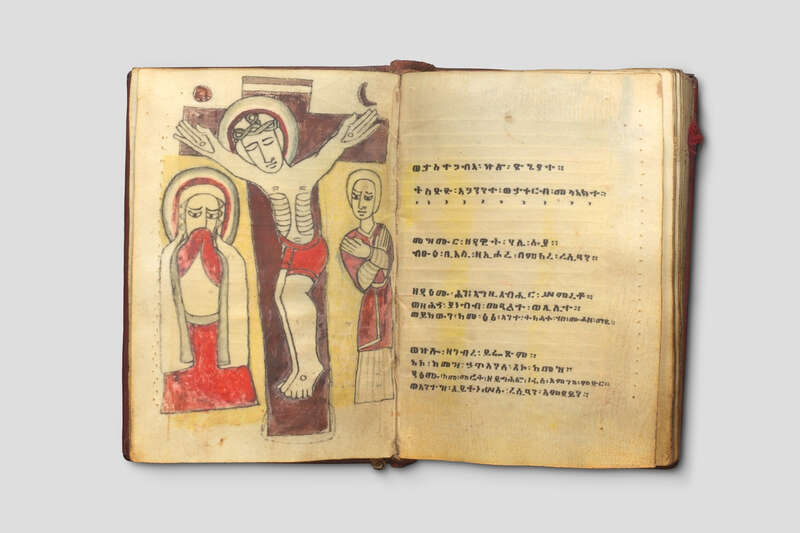
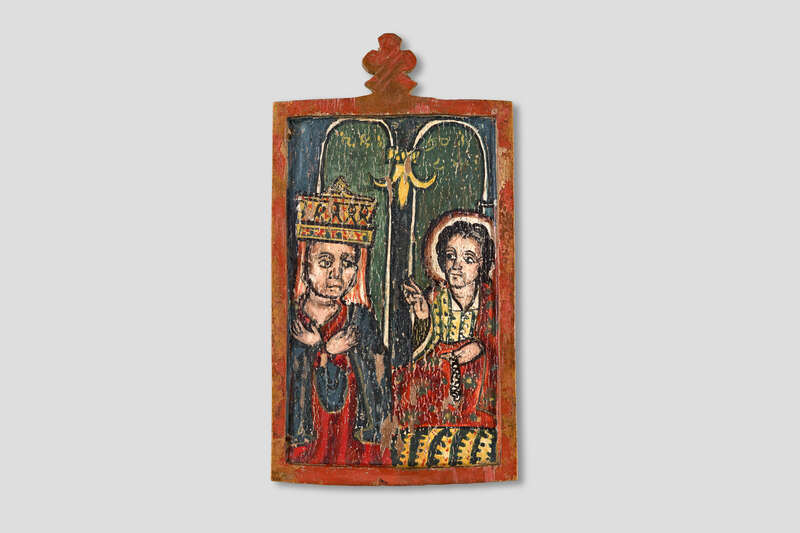
A feature unique to the German-language museum landscape is the Ethiopian collection, which is based on a permanent loan from a private collection. More than 500 years of Ethiopian Orthodox art and cultural history can be discovered here through icons, illuminated manuscripts, hand, neck, and processional crosses made of various materials, as well as liturgical objects.
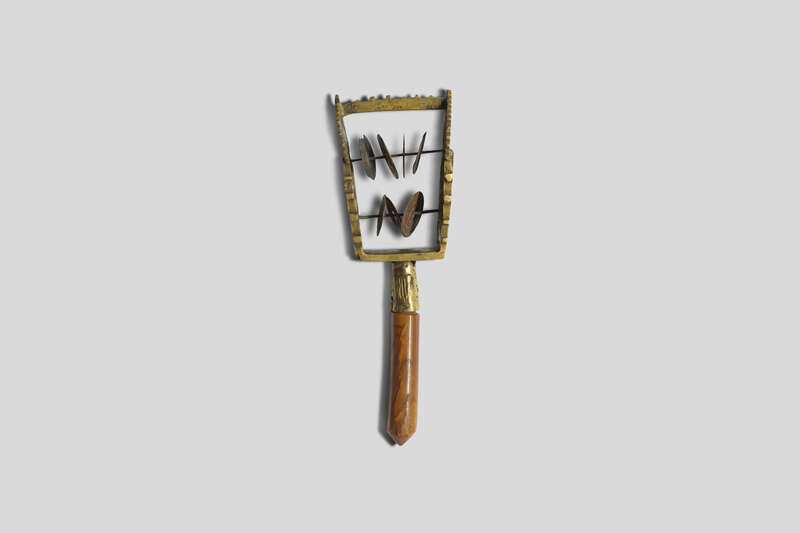
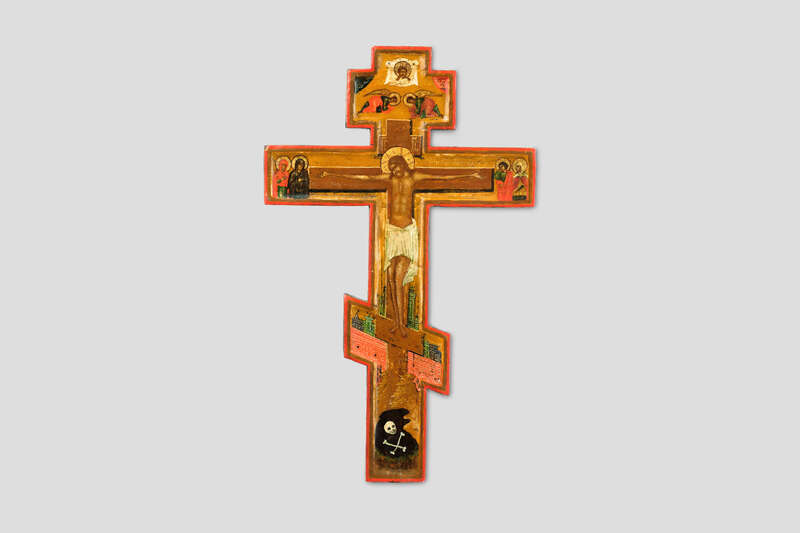
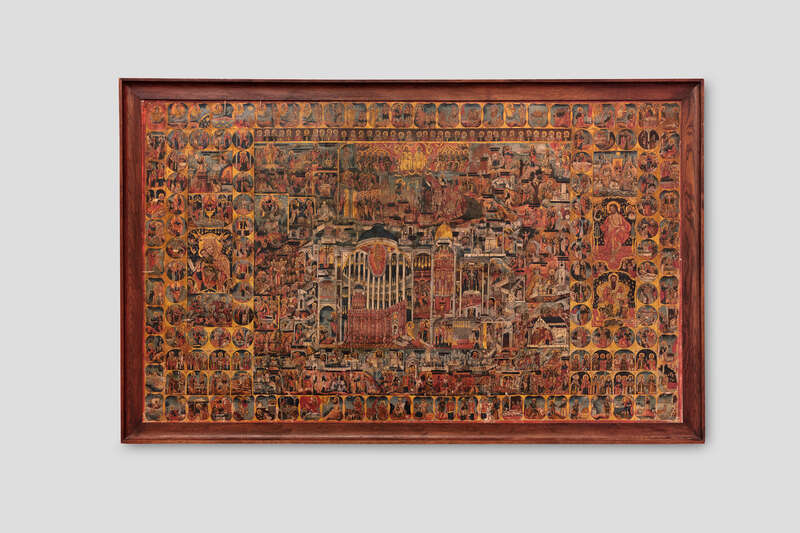
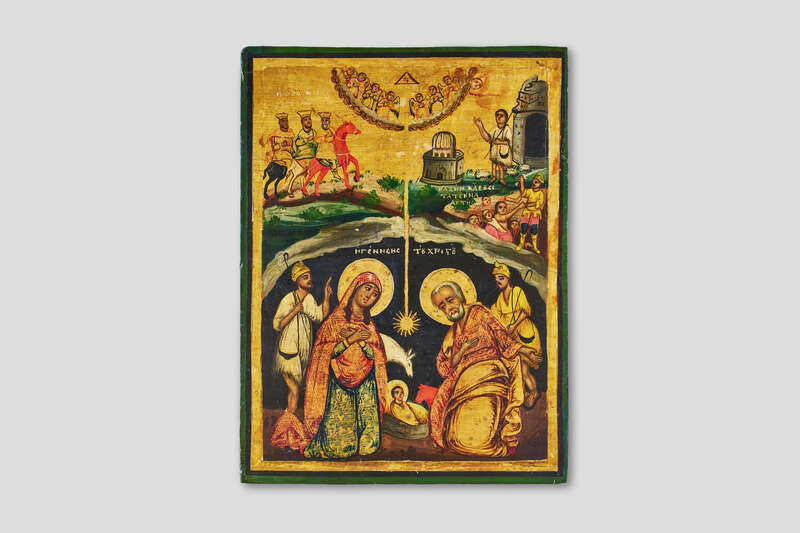
The selection shown here provides a glimpse into the diverse collection of the Icon Museum, where icons and liturgical objects are presented and explored as an important means of communication between people and the sacred.