Shibui
An Aesthetic Beyond Cultural Boundaries
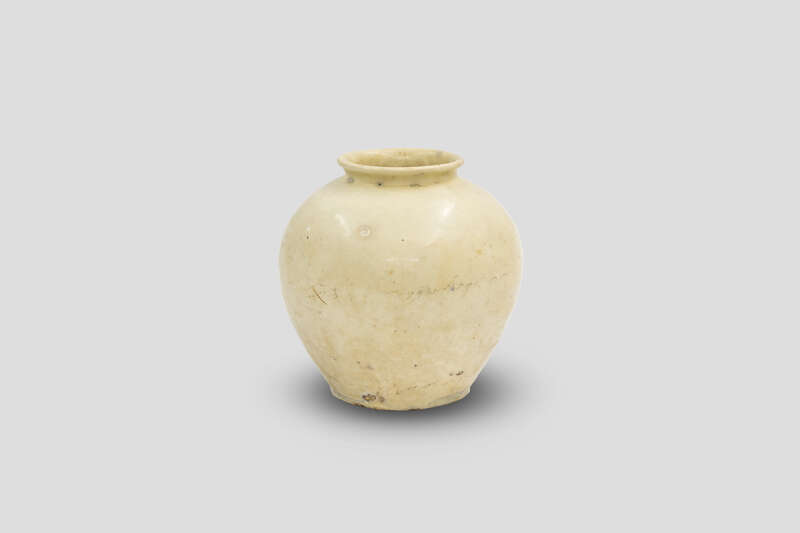
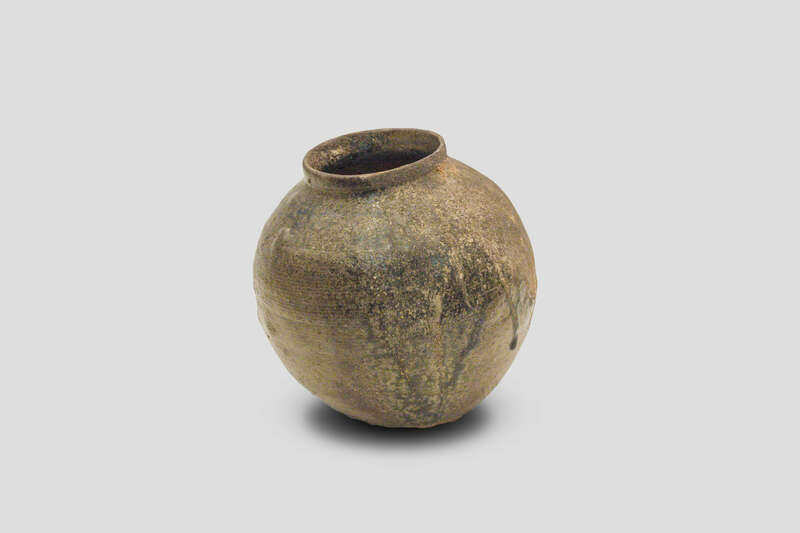
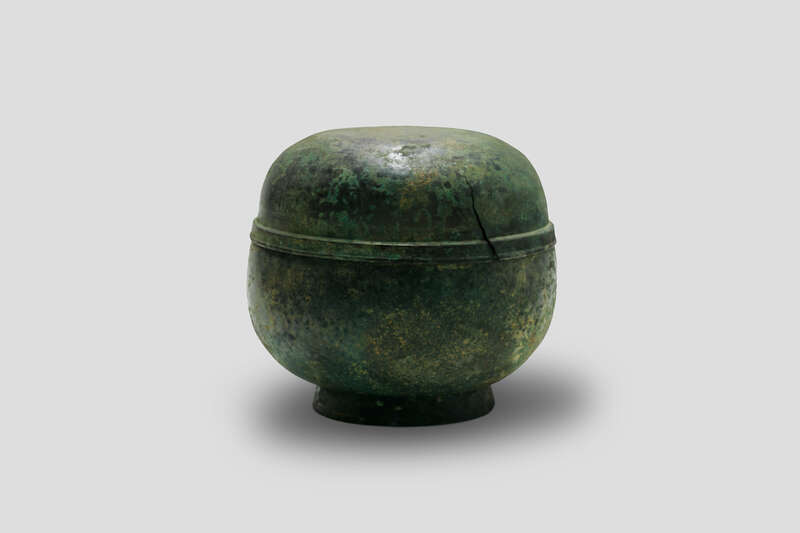
Shibui has evolved over the centuries in Japanese history. It grew from a basic description of taste into one of the highest ideals of Japanese aesthetics, expressing quiet elegance, depth within simplicity, and a sense of maturity and restraint. In Japanese history, the term shibui can be traced back to the Muromachi period of the fourteenth to sixteenth centuries. Originally, it was used to describe an astringent, slightly bitter taste, comparable to that of an unripe persimmon or green tea that has been left to steep for too long. The meaning of the term has broadened over time to the point where it is now used in a positive sense to describe a reserved, timeless beauty that does not readily reveal itself. In everyday objects, this quality manifests itself as conscious reduction, simplicity, naturalness and depth.
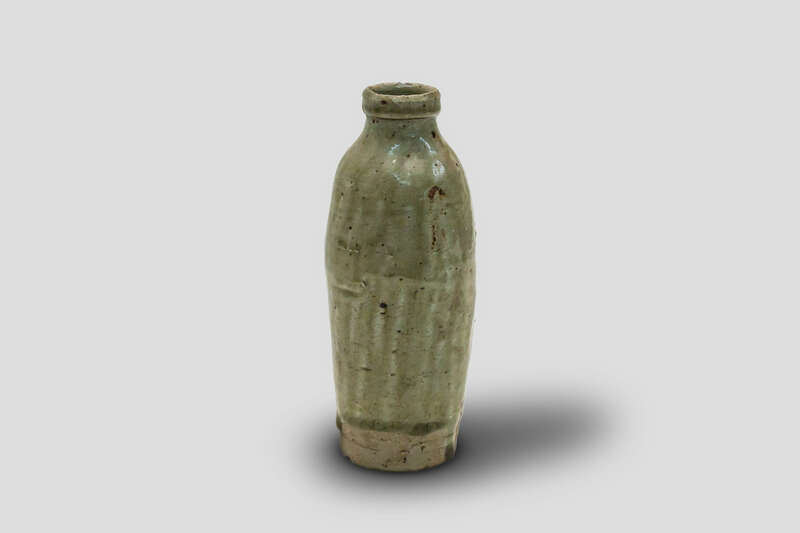
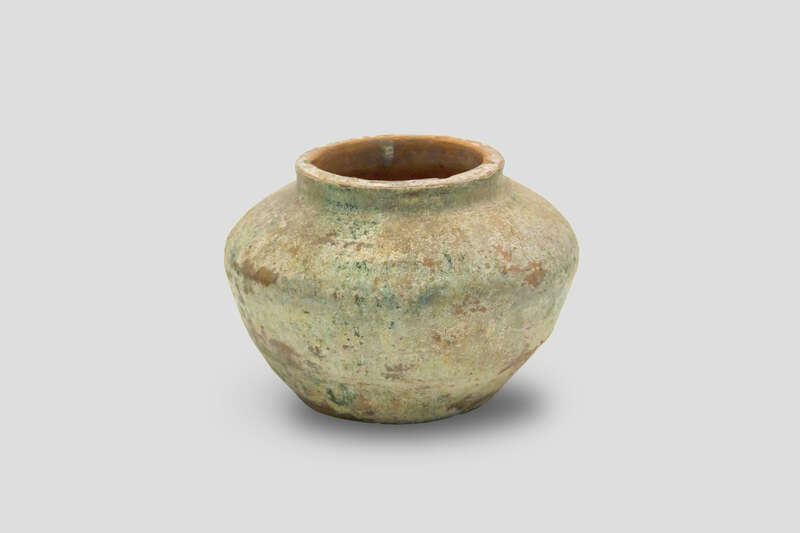
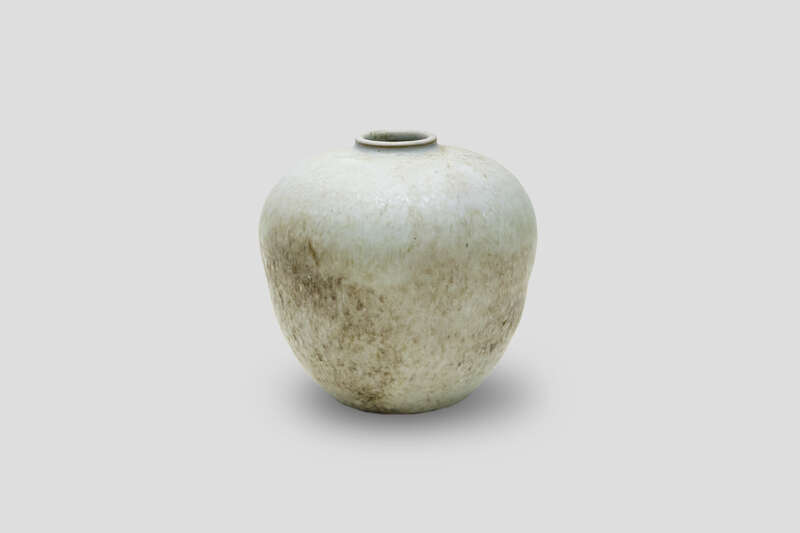
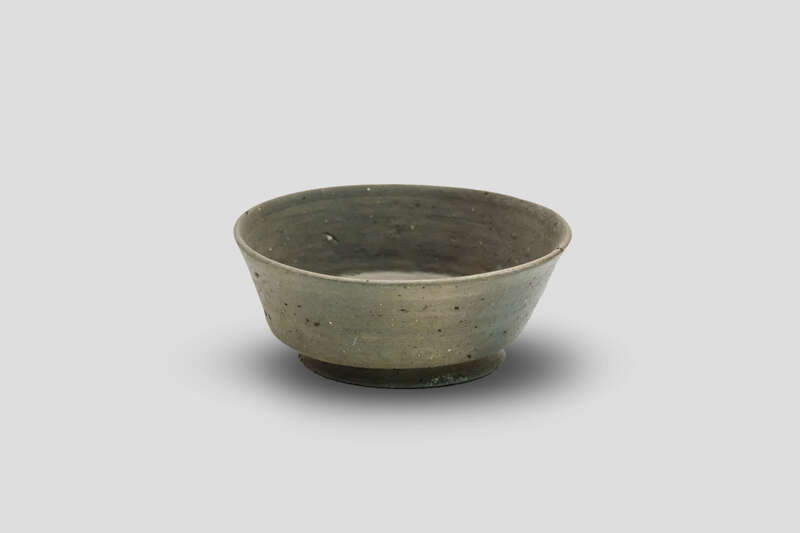
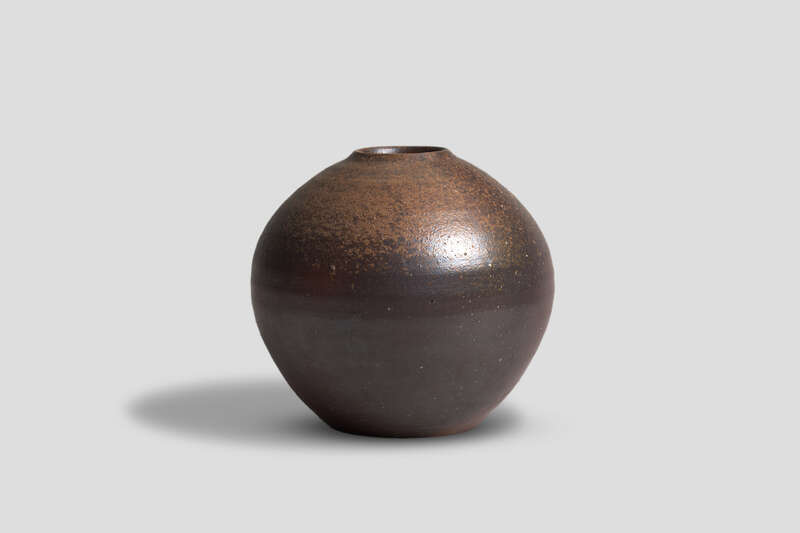
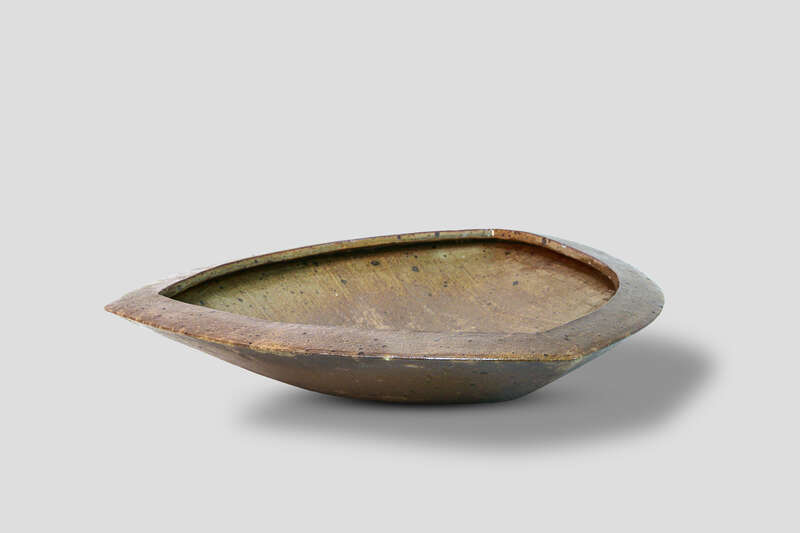
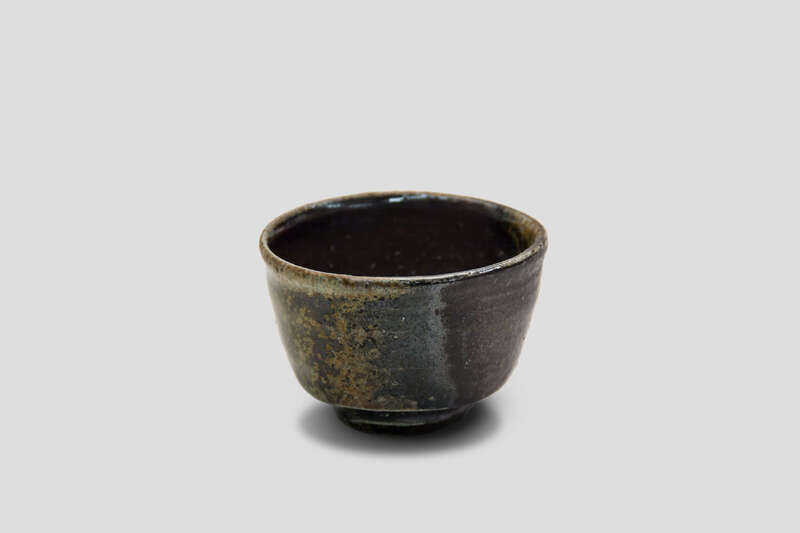
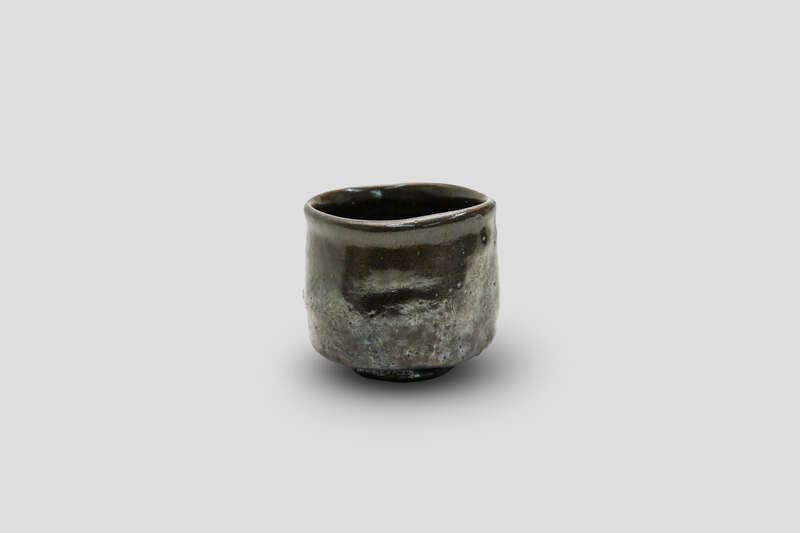
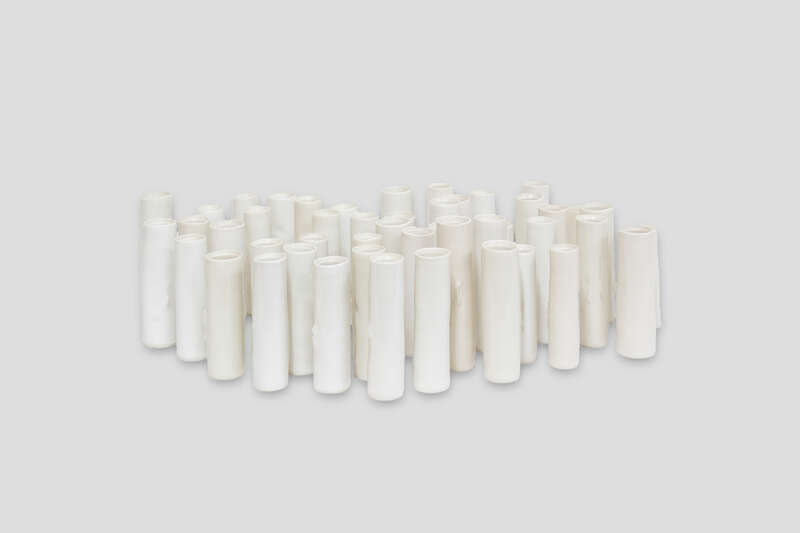
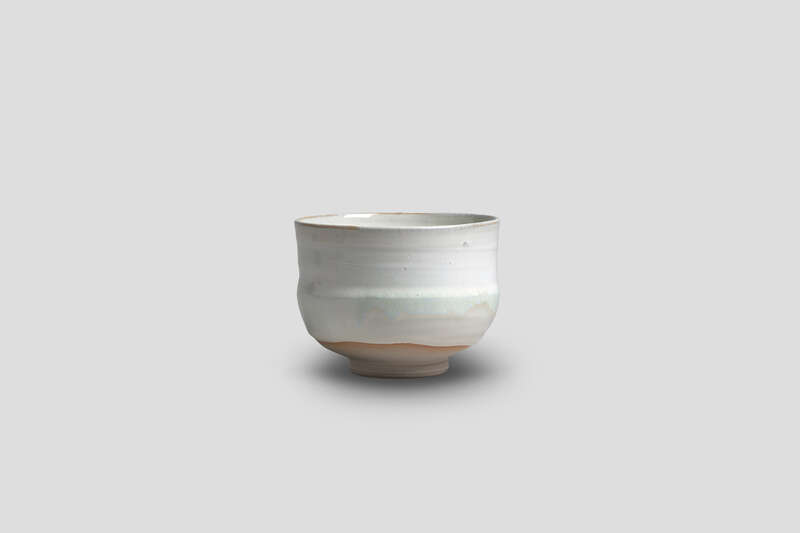
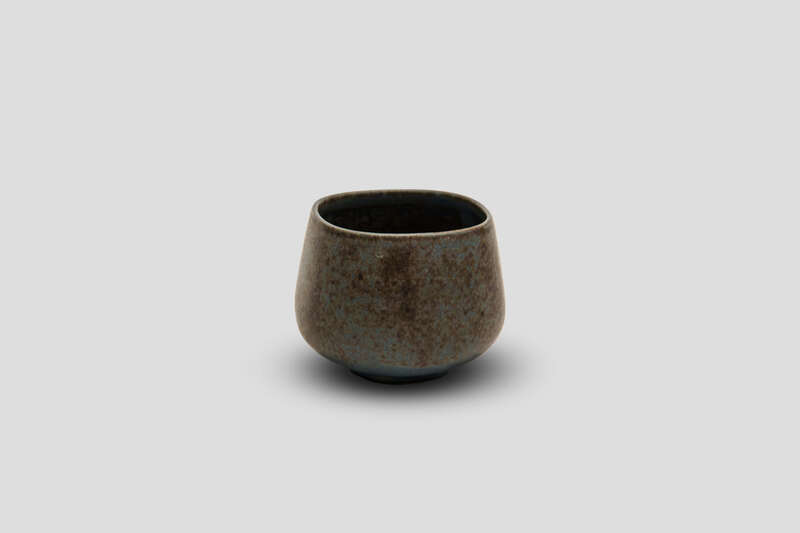
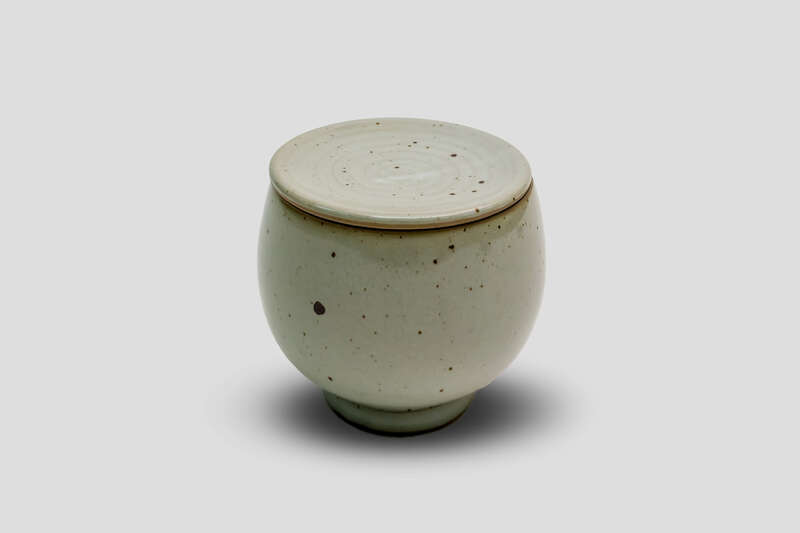
Colours are muted, forms are clear, and surfaces are often irregular. Nothing is left to chance; nothing is unnecessary. Shibui does not mean doing without, but rather focusing on form, material, and function. It is the balance and dignity of the material, as well as the acceptance of ageing and signs of wear. Although the term shibui is deeply rooted in traditional Japanese aesthetics, it describes qualities that can also be applied to non-Japanese everyday objects and works of art. Consequently, this exhibition brings together both historical and modern objects from Japan, China, Korea, and Europe in a shared dialogue, exploring the concept of shibui based on their appearance. The objects will be on display at the museum from November 12, 2026, through August 15, 2027, as part of the meet asian art-exhibition.